Woolie: A Futuristic Sans Serif Font for Sci-Fi Branding and Digital Campaigns
Woolie in a Product Teaser Campaign for a Sci-Fi-Themed App Launch
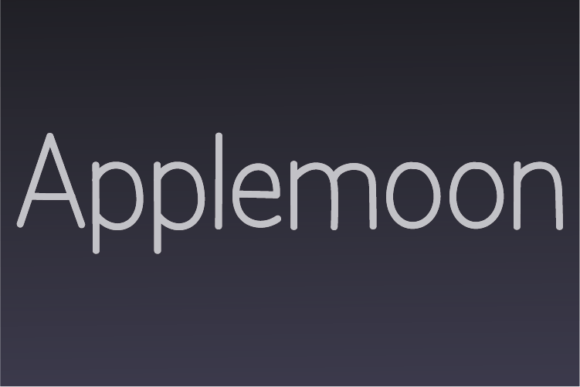
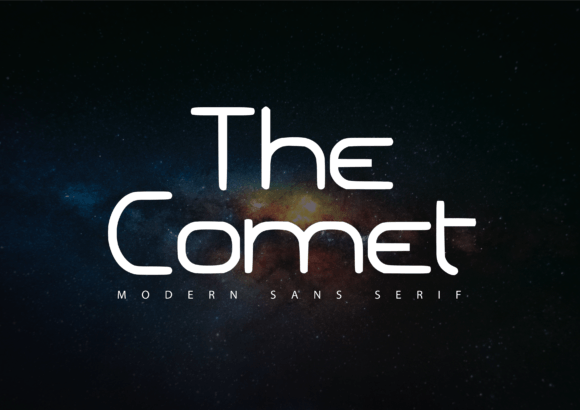
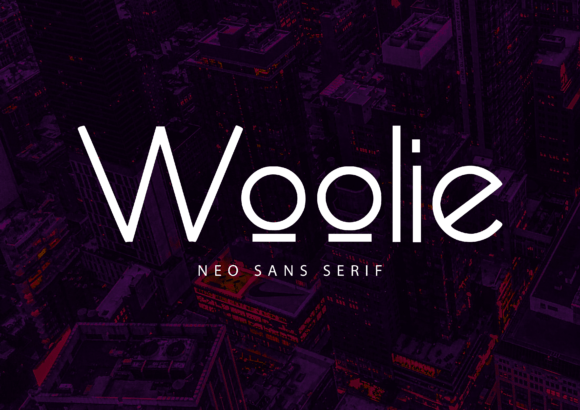
I was designing a product teaser for a sci-fi mobile app launch and needed a font that would immediately communicate the futuristic tone of the brand. I opened my design tool and started testing Woolie across the hero graphic. As a modern and cool sans serif font, Woolie stood out instantly. Its sharp edges and open letterforms gave the visuals a tech-forward edge without feeling overdesigned. The font’s futuristic appearance made it perfect for this kind of campaign, where the message needed to feel innovative and forward-thinking.
Woolie for YouTube Thumbnails and Instagram Reels Covers
When designing a set of YouTube thumbnails and Instagram Reels covers for the same app launch, I needed a font that would pop on small screens and still read clearly in fast-scrolling feeds. Woolie, as a bold sans serif typeface, handled this well. I used it for short headlines like “Coming Soon” and “Beta Access Live” overlaid on dark background visuals. The letters stayed legible and retained their distinct personality even at smaller sizes. It’s not ideal for long captions or subtitles, but for punchy headlines and callouts, Woolie delivered a strong visual impact.
How Woolie Influences First Impressions on Mobile Previews
Mobile previews are critical in digital campaigns, and Woolie’s clean structure helped maintain clarity in tight spaces. I tested it on a promotional email banner and noticed that the font’s futuristic design drew the eye before the rest of the content. This makes Woolie a smart choice for brand campaigns that need to stand out in crowded inboxes or on social feeds. As a display font, it works best when used sparingly and paired with a simpler sans serif for body text to ensure readability and balance.
Using Woolie for Pinterest Campaigns and Branded Template Packs
I recently built a set of branded templates for a client’s online course launch, and we included Woolie for header text across Pinterest pins and landing page banners. The font’s modern appearance aligned well with the course’s tech-driven theme. On Pinterest, where visuals compete for attention, Woolie helped our pins stand out with a unique but recognizable typographic style. It worked especially well in quote graphics and course title banners, where the goal was to communicate authority and innovation in a single glance.
Font Pairing Tips When Using Woolie in Campaign Design
Since Woolie is a futuristic sans serif font, it pairs best with clean, minimal typefaces that let it shine as the visual centerpiece. I often use it with a simple sans serif like Montserrat or Lato for supporting text. For more editorial-style layouts, I’ve paired Woolie with a serif font like Playfair Display for contrast. If the campaign has a more casual or creative tone, I’ll combine Woolie with a script or handwritten font for a dynamic visual hierarchy. The key is to let Woolie be the standout element while keeping the rest of the typography grounded.
When Woolie Works Best — And When to Choose Another Font
Woolie excels in short, high-impact text like headlines, callouts, and logo-style treatments. It’s not ideal for long paragraphs, dense information blocks, or formal brand communications where readability and tradition are key. I wouldn’t recommend it for whitepapers, corporate reports, or user interfaces with a lot of small text. However, for sci-fi branding, product teasers, YouTube thumbnails, social media headers, and creative promotional graphics, Woolie brings a unique and memorable style that elevates the overall design.
What to Check Before Using Woolie in Commercial Campaigns
Before using Woolie in any client or commercial project, I always double-check the font license. Make sure it includes commercial use, especially if you're creating templates, digital ads, branded merchandise, or downloadable design assets. Also, verify that the font package includes multiple weights, ligatures, and alternates for design flexibility. Check for multilingual support if your campaign targets international audiences. Lastly, test Woolie across platforms to ensure consistent rendering — especially on web banners, video thumbnails, and print-on-demand mockups.